40 YEARS
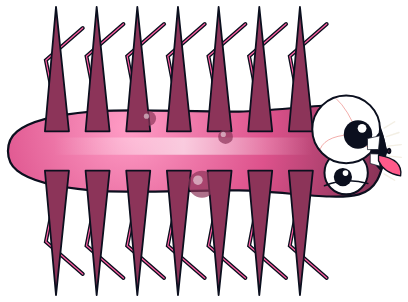
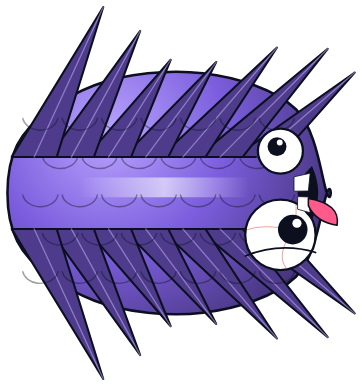
Scientists drew Hallucigenia upside down and back to front for four decades. Nobody could tell which end was the head.
Hallucigenia · 508 million years ago
STAGE 2 SNACK ISSUE #1 · FREE ON ANDROID · NO FORCED ADS
EAT WHAT'S SMALLER. RUN FROM WHAT'S BIGGER.
A speck with an attitude eats its way through 500 million years of real prehistoric monsters. Mutate. Grow. Get eaten. Try again.
the little ones are everywhere · they scatter from your finger · the big ones eat them
Every creature in Gluttonauts actually lived. Most were weirder than anything we'd dare invent — so we didn't. We just gave them faces.
Scientists drew Hallucigenia upside down and back to front for four decades. Nobody could tell which end was the head.
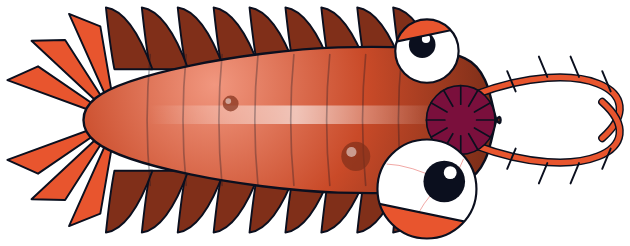
Anomalocaris — "strange shrimp" — was the first apex predator on Earth. Half a metre of it, in a sea where everything else fit in your palm.
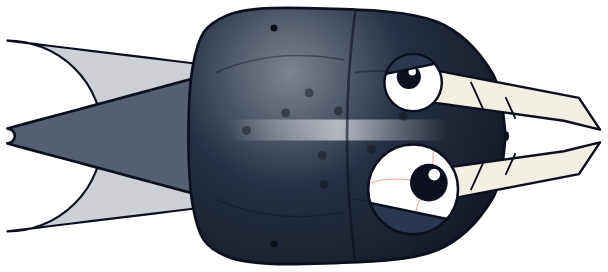
Dunkleosteus had no teeth at all. It sharpened its own jaw bones into blades by grinding them together. Several metres of that.
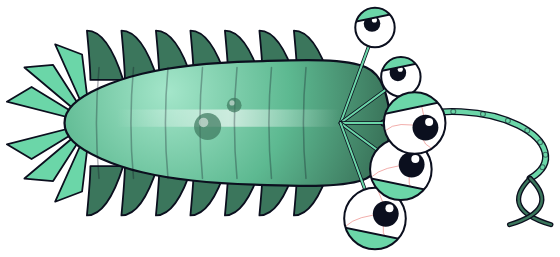
Opabinia had five eyes and a vacuum-cleaner hose on its face with a claw at the end. When it was first presented, the audience laughed.
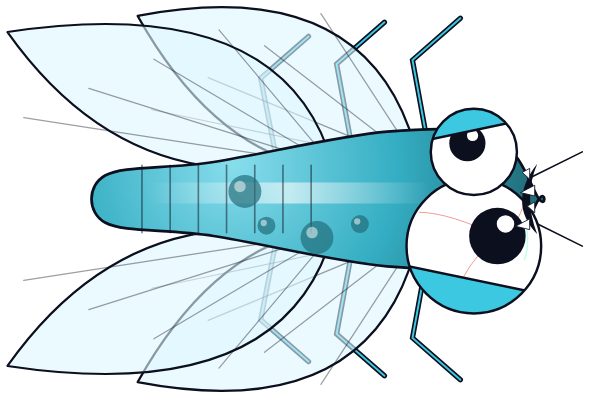
Meganeura: a dragonfly with the wingspan of a hawk. The air had more oxygen then, and the insects took full advantage.
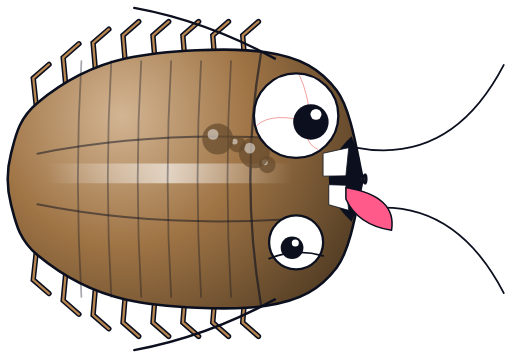
Trilobites lasted 270 million years. Humans have managed 0.3 so far. They also invented the eye, roughly.
Every one comes with a field-guide card: when it lived, how big, what it ate, and what it says about you. (The bones in your middle ear were once a reptile's jaw. You're welcome.)
No login. No tutorial wall. One line of instructions and you're in the water.
Eat what's smaller. Avoid what's bigger. That's the whole manual.
Size class up. The things that chased you are now lunch.
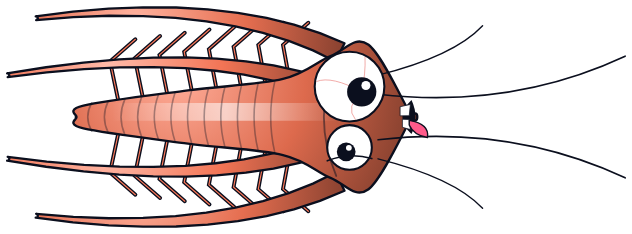
Armour, fins, a bigger mouth, a glow in the dark. Pick one.
Stage cleared. Swim through — the next age is right there, no menu in between.
Free. Two minutes to your first mutation.
GET IT ON GOOGLE PLAY